
Written by Nick Italiano
Prunella vulgaris, known as self-heal, heal all, woundwort, heart-of-the-earth, and so many more is a common herbaceous plant in the mint family that is found throughout the United States, Europe, Africa and Asia. This small unassuming flower is not just edible but has a long and storied history in folk medicine traditions around the world. Based on the long history of use and noted benefits, P. vulgaris is still commonly used by members of the foraging community, herbalists, and holistic healers. The rich history and continued use by modern practitioners have led to a number of research studies by the scientific and medical communities, which while still in early stages, shows great promise the medicinal value of this plant in mainstream medicine. This article will be exploring P.vulgaris in detail, how to find and identify it, as well as how you can use it to benefit your life.
Where to Find and How to Identify Prunella Vulgaris
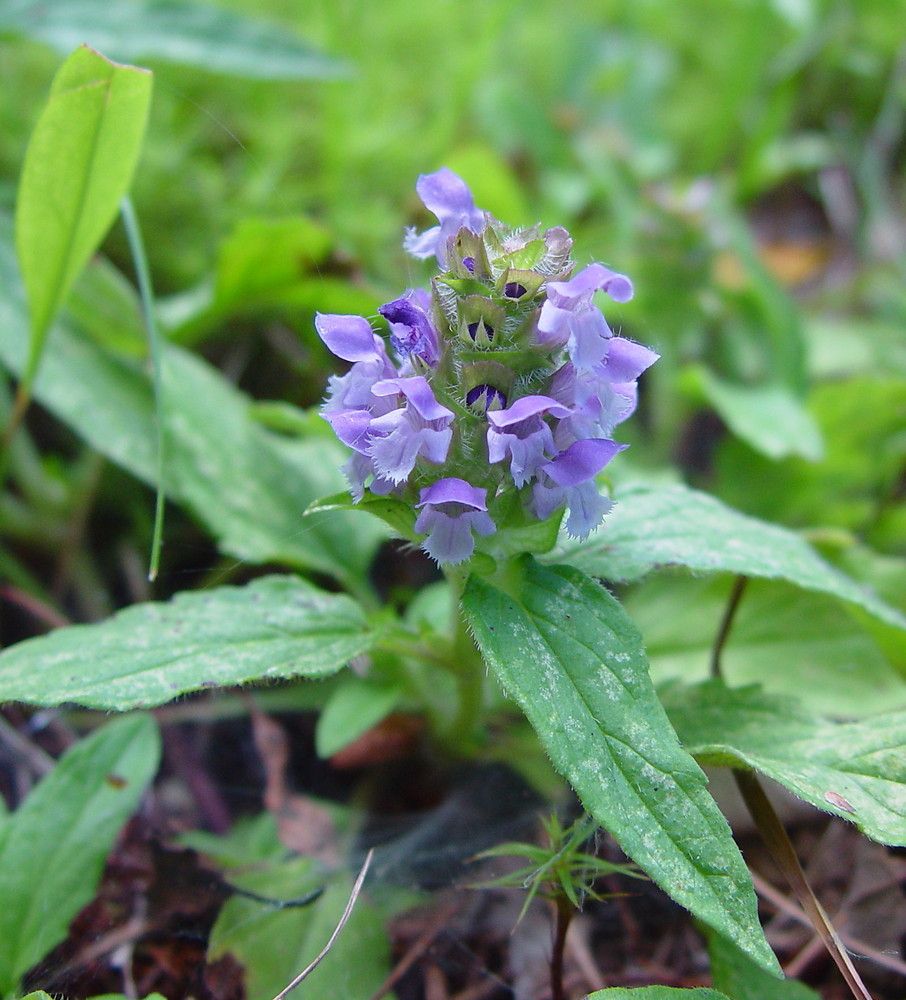
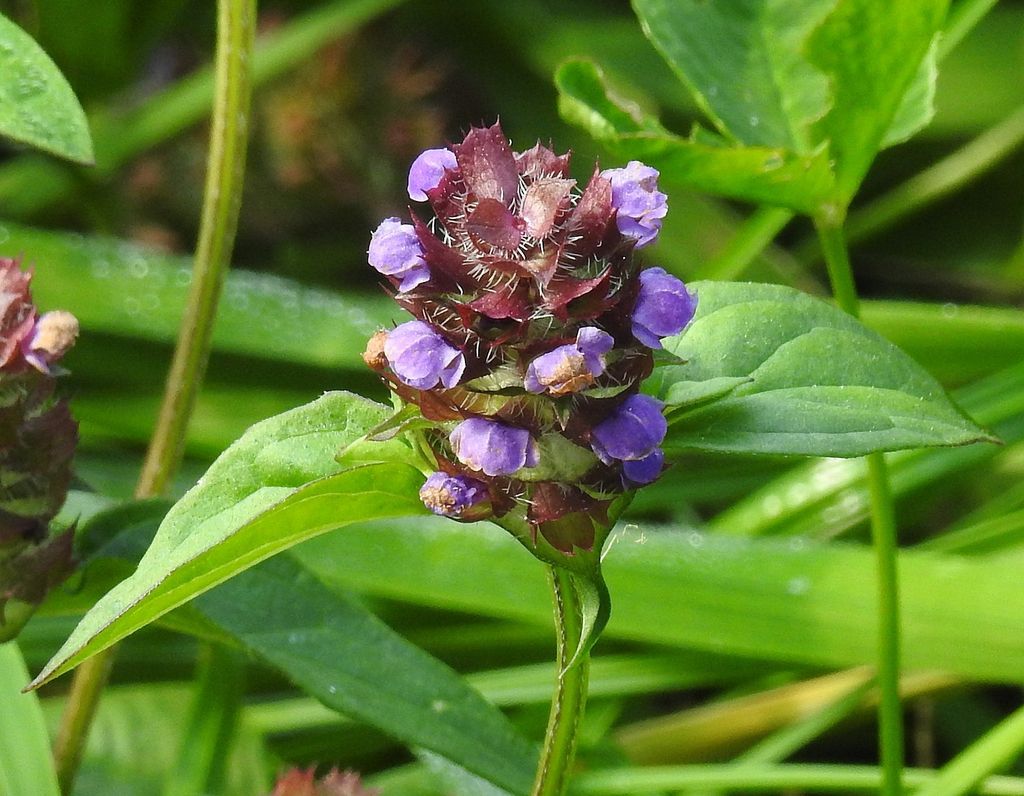
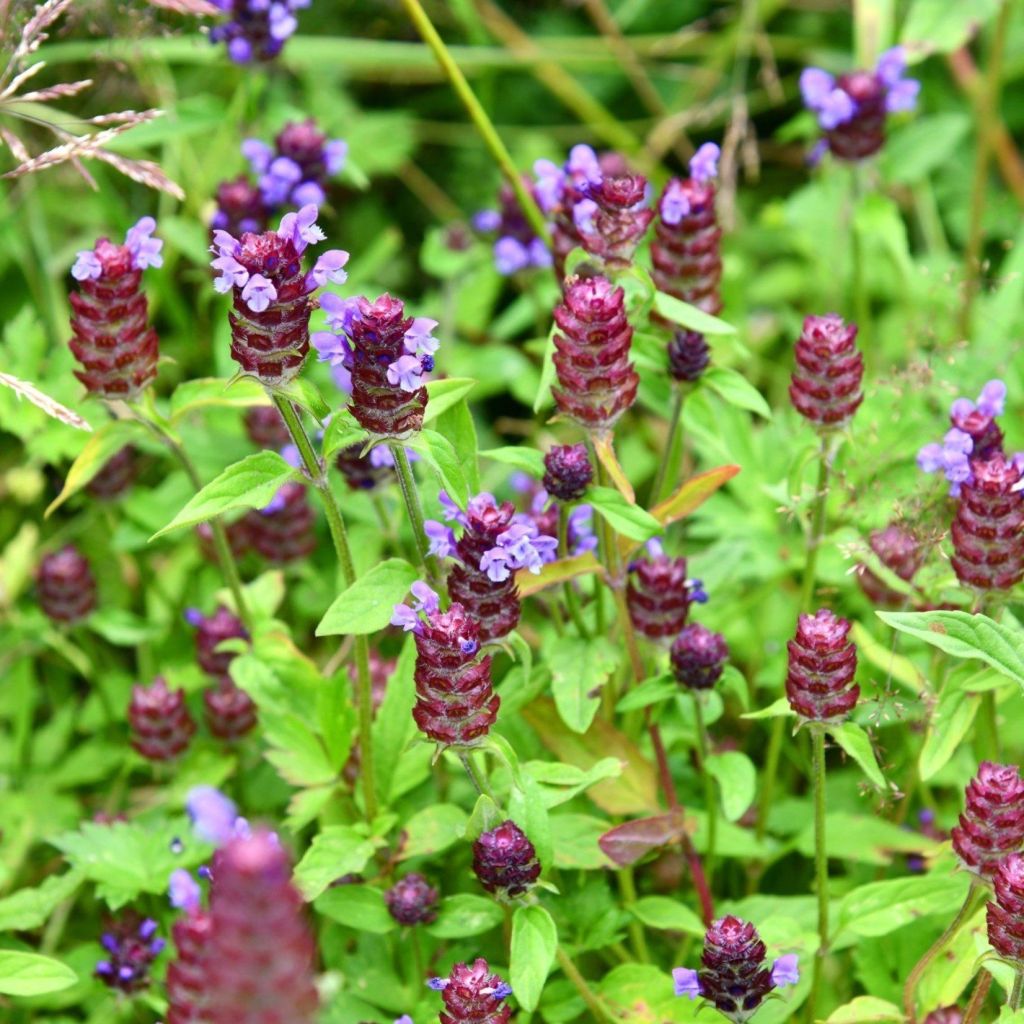
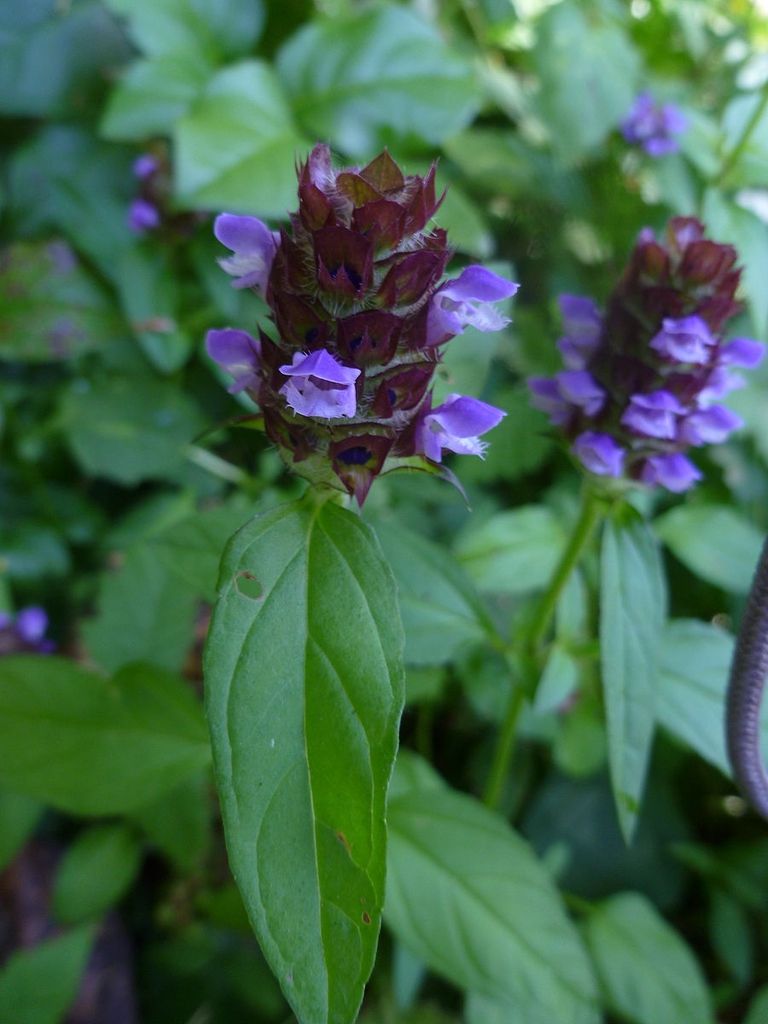
P.vulgaris is widely distributed across all U.S. states and many parts of Europe, Asia, and Africa. It is tolerant of poor soil conditions and can often be found growing in gardens, lawns, fields, and on the sides of roads and trails. The plant itself is fairly easy to identify if you pay attention to some of the unique characteristics. The plant itself rarely grows beyond 12 inches in height and is typical to see flower heads rising 2 to 5 inches off the ground. The flower head is a box shaped with very small purple flowers, which can sometimes be pink or white. The leaves are oval and shape and typically untoothed, but will occasionally display a very slight toothy edge. Flowers will start to bloom as early as May and will typically last until the first frost.
When foraging P.vulgaris or any other plant it is important to be 100% confident in your ability to Identify the plant. Additionally some people do have an allergic reaction to this plant and you should test a very small amount on your skin before consuming anything or applying large amounts. As with all foraging you should avoid areas that are treated with pesticides or exposed to large amounts of pollution. Plants can accumulate pesticides and toxic pollutants within them which can have negative effects on your health immediately or over time.
Historical Medical Applications of Prunella Vulgaris
Traditionally P. vulgaris was used to treat both external and internal ailments. In western traditions P.vulagris was typically mixed into a decoction of water, vinegar, or alcohol. This decoction could then be applied to wounds such as burns, lacerations, and sores as it was shown to help speed the healing process and reduce the risk of infection. These decoctions were also used to treat inflammation and infection in the eyes, mouth and throat. There is also documentation showing the P.vulgaris being applied orally as a way to help reduce fever and alleviate pain. In traditional Chinese Medicine P.vulgaris is used as part of a tea that would impact the liver, gallbladder, lungs, spleen, and heart meridians which would result in the reduction of swelling and inflammation. In Iranian herbal tradition the plant was used to treat sore throats, fevers, pneumonia, headaches, diabetes, and eye conditions. In Turkey it was used to treat common cold, heart disease, and joint inflammation.
The overlap of medicinal application across a variety of cultures spread across many different parts of the world is significant. It is no wonder this plant is still commonly used today as a holistic treatment for many ailments. While traditional practices lack the scientific studies we can perform today, seeing so many cultures using it successfully presents a strong case to employ modern research methods to validate the potential for modern medicinal use.
Modern Medical Research
Scientific research of P.vulgaris is still in early phases, limited to test tube, animal, and limited human studies. Despite the limited nature of these studies, the results have shown a great deal of promise in validating traditional uses as well as finding uses in areas that have not been seen before.
Inflammation
Two significant studies have been performed looking at the anti-inflammatory effects of P.vulgaris. One study focuses on the human heart. This study involved applying extract of the plant to cultured cardiac muscle cells. The result of the study demonstrated that P.vulgaris reduces the production of cytokines, a protein that causes inflammation in the heart. A reduction in these proteins can help protect people from the long term effects of heart disease and reduce the potential for stroke. Another study focused on intestinal inflammation and the results have shown a significant reduction of intestinal inflammation in lab mice being given the plant.
Infections
In a major study involving herpes simplex virus demonstrated both the internal and external uses of P.vulgaris to help treat infections. When taken internally it was shown that P.vulgaris stimulated the body’s immune response and increased the activity of immune cells. In external applications, topical creams with P.vulgaris extract were shown to reduce and help heal herpes sores. While the extract does not kill viral particles it was shown to significantly reduce their ability to reproduce, which ultimately reduces the number of sores and speeds up the healing process.
Blood Sugar and Cholesterol
In a study done on lab mice it was shown that compounds in P.vulgaris helped reduce the production of enzymes that break down carbohydrates which led to greatly reduced blood sugar levels. In another animal study, lab mice were fed high fat diets and given P.vulgaris. The animals being given the plant were shown to have lower levels of LDL cholesterol and triglycerides, reducing the likelihood of artery hardening. Both these studies support the use of P.vulgaris in diabetes treatment as well as helping support other individuals prone to high cholesterol.
Cancer
A few studies have been done regarding the ability P.vulgaris to help treat cancer. The plant is high in caffeic and rosmarinic acids as well as a number of antioxidants known to reduce cellular damage that can lead to cancer and reduce the spread of cancer cells. In studies on liver tumors it was shown P.vulgaris can prevent the spread of liver cancer cells and even help destroy tumors. In a study involving 424 people with breast cancer it was found that people who took P.vulgaris supplements had a longer life span and a reduction of symptoms as compared to people who were just given traditional medicine.
These studies clearly demonstrate that many of the historical uses of P.vulgaris were effective particularly in the areas of infections, inflammation, cardiac health, and diabetes. Additional research into the effects on cancer cells and the ability to help prevent cancer further increase the value of this potent little flower! We have explored both the historical uses as well as some of the modern research, let’s get into some of the ways the modern self-reliance enthusiast can utilize this plant!
How to Consume Prunella Vulgaris
P.Vulgaris is a readily available edible plant that can be found in every U.S. State as well as large portions of Europe, Asia, and Africa. Every single part of the plant is considered edible both raw or cooked. The plant has a bitter taste that will become more pronounced after flowering. The shoots of the young plants are best if you want to eat it raw, however it will taste best cooked after it flowers. It is common to see P.vulgaris used salads, as a cooked vegetable or as an addition to soups and stews. The leaves, shoots, and flowers can be dried and made into a tea.
From a nutrition standpoint, P.vulgaris contains vitamins A and B, high levels of C and D as well as Vitamin K. As mentioned above it is high in antioxidants and contains a number of amino acids, tannins, and alkaloids.
How To Use Foraged Prunella Vulgaris Medicinally
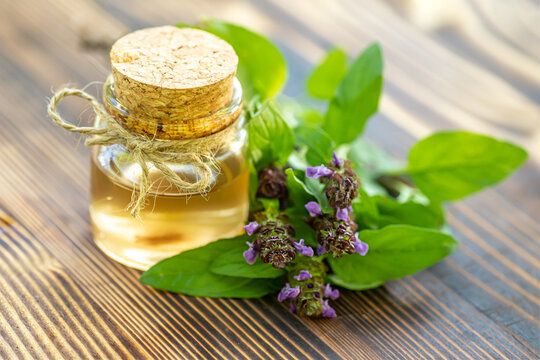
While the easiest way to gain the benefits of P.vulgaris would be to buy commercial supplements, it is hard to know what supplements are the most reliable. Being the plant is so common it is easy for any one in an urban, suburban, or rural environment to gather their own and use it. We will cover a few of the easiest ways to utilize freshly foraged P.vulgaris to improve your health and patch your wounds!
Eat it!
The simplest way to incorporate the health benefits of P.vulgaris into your life is to incorporate it into your diet. By eating P.vulgaris on a regular basis we can benefit from the rich nutrients contained within as well as benefit from the immune boosting, cancer fighting, and cholesterol reducing properties!
Create an Oil Infusion
For treatment of skin irritation, lesions, and minor wounds, a salve can be made to apply to those areas. Infusing P.vulgaris into a carrier oil such as raw coconut oil is beneficial as it is solid at room temperature and easier to apply to your skin without messy residue. This simple process involves heating the coconut oil in a pot over a low heat and placing your foraged P.vulgaris in the oil. By using an instant read thermometer, keep the heat around 100 degrees fahrenheit for an hour. Let cool enough where it is still liquid and place in a sterile glass jar. You can use other oils, but stick to natural options like olive oil, grapeseed oil, avocado oil, etc. Avoid processed vegetable oil, mineral oils, and corn oils. If you choose to use thinner oils, you may need to add that oil to other substances to create a salve that is easier to apply and keep in place.
In the Field
If we are injured in the field we may not have the time or resources to create a complex infusion, but that doesn’t mean we can not utilize the wound healing benefits of P.vulgaris! For immediate use we can create a poultice. We can harvest and rough chop the leaves of the plant, the goal is to chop or tear leaves until they feel moist. You will want to gather enough to completely cover the wound when chopped and then apply a piece of gauze or clean cloth on top, apply some clean,preferably warm,water and secure it with a bandage. This dressing should be changed 3 times a day once the poultice has dried out.
Utilizing medicinal plants is not always a substitute for proper medical treatment but can certainly be used in the absence of modern medical options or to hold you over until you get to the doctor or hospital. In most cases it is recommended that we utilize herbal remedies to support modern medical methods, but in emergency situations we may not have access to modern medical treatment and supplies and developing a working knowledge of P.vulgaris and other free and easily accessible medicinal plants can often help prevent a bad situation from becoming worse! In addition to the potent healing properties of this plant, it can also be used as a vital food source when in the field or when faced with situations where access to food is limited or impossible.
Discover more from Black Flag Survival
Subscribe to get the latest posts sent to your email.

 Black Flag Survival
Nice article Nick with very useful information!
Sal I
LikeLike