
By Anthony Bryant of Outside The Lines Design Co

The great outdoors beckon, offering an escape from the daily grind and a communion with nature. In this vast expanse, the outdoor industry has developed into a crowded ecosystem, teeming with brands, influencers and enthusiasts all looking for their piece of the internet. Amidst this bustling landscape, the significance of brand identity emerges as the beacon guiding success in the competitive wilderness.
In the heart of this niche lies the essence of brand identity – the soul that distinguishes one entity from the rest. Brand identity embodies the core values, beliefs, and promises of your brand, the same ones that resonate with the outdoor community. It’s the story that speaks of adventure, resilience, sustainability, and the fervor for exploration.
In a world teeming with outdoor brands, establishing a unique identity becomes paramount. It’s not just about offering quality gear or services; it’s about carving a distinct niche and cultivating a loyal tribe of followers. A robust brand identity acts as the North Star, guiding customers to a brand that aligns with their values, aspirations, and lifestyle choices.
The outdoor community values authenticity and reliability. A compelling brand identity cultivates trust, assuring consumers that the brand or person understands their needs and stands as a reliable companion on their outdoor escapades. It’s the assurance of quality, sustainability, and a shared passion for the wilderness that forges enduring connections.
Beyond just products or the services, a robust brand identity forges emotional connections. As trends and consumer preferences shift, a resilient brand identity allows for evolution while maintaining the fundamental ethos that initially captivated its audience.
So let’s talk about what brand identity is. Brand identity comprises several key components that collectively shape the perception and recognition of a brand. Here are the main elements:
. **Brand Name:** The name is the first identifier, crucial for recall and recognition. It often encapsulates the essence or purpose of the brand.
**Logo:** A visual symbol that embodies the brand. It’s the most recognizable element, representing the brand’s values, mission, or product.
. **Color Palette:** Colors evoke emotions and associations. Consistent use of specific colors enhances brand recognition and communicates certain attributes or feelings.
**Typography and Fonts:** The choice of fonts and typography style conveys a brand’s personality – whether it’s bold, modern, traditional, or playful.
**Brand Voice and Tone:** The language and style used in communication. A consistent tone builds familiarity and helps establish an emotional connection with the audience.
**Mission, Vision, and Values:** Clearly defined core principles that guide the brand’s actions and resonate with its audience, demonstrating its purpose beyond profit.
**Messaging and Tagline:** A succinct, memorable statement that encapsulates the brand’s essence or promise, aiding in differentiation and recall.
**Visual Elements (Graphics, Imagery, and Icons):** Additional visual components used consistently across platforms to reinforce brand recognition.
**Brand Story:** Narratives that convey the brand’s history, origin, or the journey, connecting emotionally with the audience and humanizing the brand.
**Packaging and Physical Presence:** For tangible products, packaging design and physical elements contribute significantly to brand identity.
These components work together to create a cohesive and distinct brand identity that helps consumers recognize, relate to, and form connections with the brand. Consistency across these elements is key to reinforcing the brand’s identity and making it memorable in the minds of consumers.
In the sprawling landscape of the greater outdoor community, brand identity isn’t a mere accessory; it’s the compass, map, and campfire that draw adventurers closer. A robust and well-defined brand identity sets the stage for success, guiding brands through the wilderness of competition and establishing enduring connections that weather the storms of many small businesses and influencers
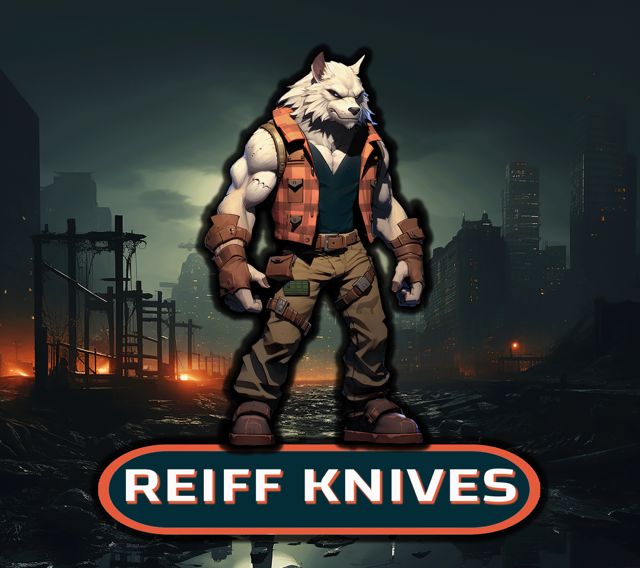
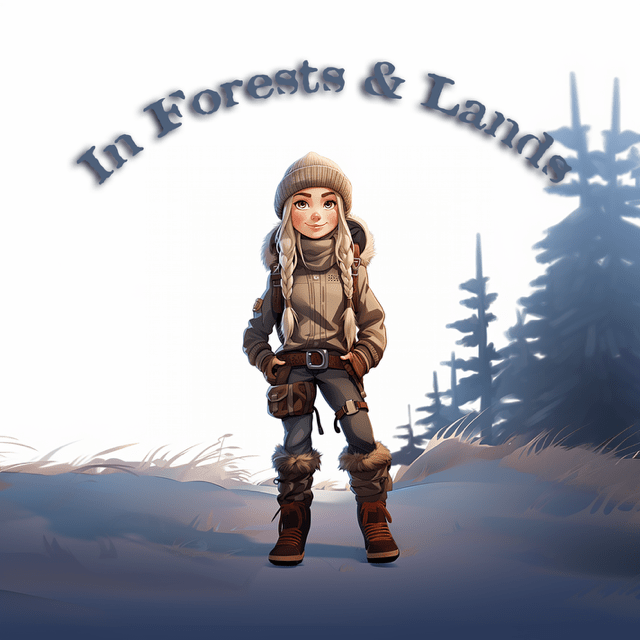
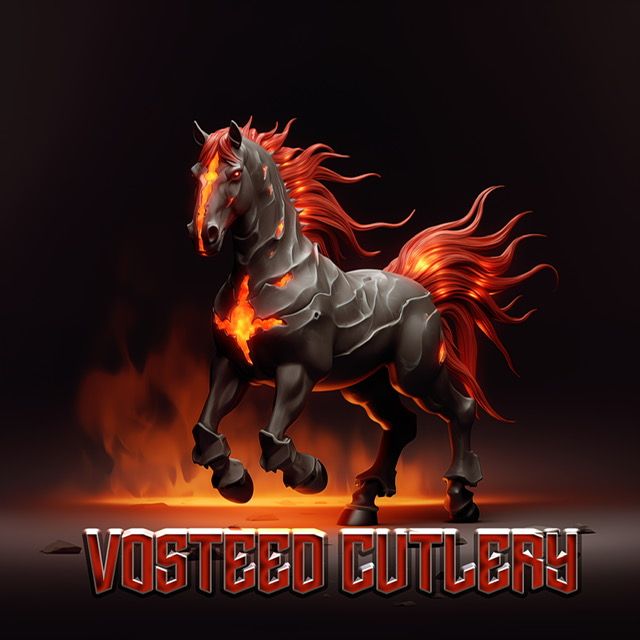
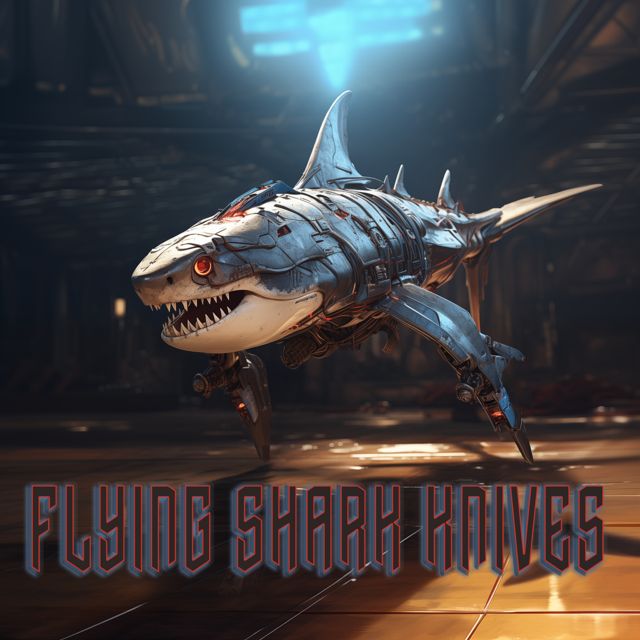
A mythical creature this one was made to replace the depthless two-dimensional logo the company originally used
Discover more from Black Flag Survival
Subscribe to get the latest posts sent to your email.

 Black Flag Survival
Merry Christmas!
LikeLike