
Written by Nick Italiano
I live in a small town in Connecticut’s Lower Naugatuck Valley Region called Oxford. The town itself has a very rural feel, plenty of woodlands, hiking trails, lakes, waterfalls, and rivers. Some of the historic farms still dot the area, and there are many buildings that date back to the 1700’s. We have one large shopping plaza that was recently built in an old quarry and a few small strips of stores and restaurants that are all small independent businesses. We have two main roads in town that connect us to all our stores and schools as well as the surrounding towns. With access to so much woodland and the very New England feel of most of the town, it is a little slice of paradise for an outdoor enthusiast that enjoys a slow paced lifestyle.
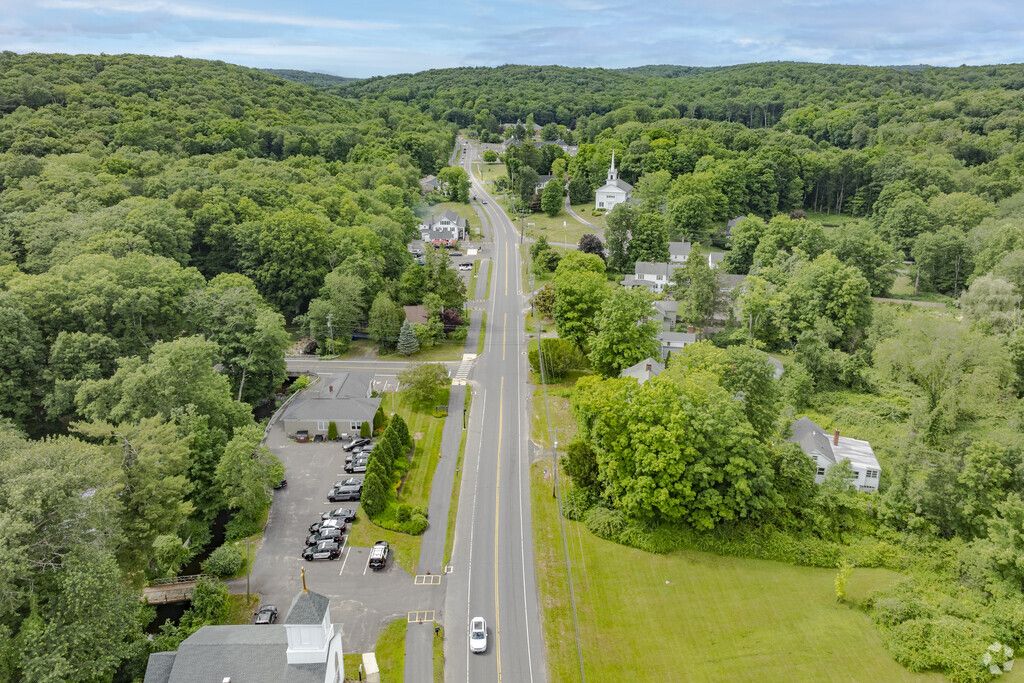
Being in the valley, we are prone to rainfall, the winters are cold, and my immediate area tends to be windy as we are at a higher elevation than most of the town. This is a mild inconvenience that is well worth dealing with as I live right next to a trail head. With all the rain we get, some flooding is not uncommon, but it is generally pretty short-lived. The problem with generalizations is that it often leads to complacency, and complacency can have dire consequences. On August 18th, 2024, our area got hit by the remnants of a hurricane. Heavy rains were expected, but what no one expected was 13+ inches of rain falling in the span of 6 or 7 hours.
Around noon, my family got in the car with the intention of running to the store to grab some groceries. I was just about to pull out of the driveway when all 4 of our phones started blaring the emergency alert signal. Flash flood warnings appeared on the screen, something that I have not seen in my area since we moved here three years ago. Like most people, my first instinct was to ignore it. We don’t have any large rivers in the immediate area. 7 Mile Brook is typically pretty calm, and the river that runs through the main commercial area of town is appropriately named Little River. As I do pride myself on preparedness and safety, I decided to move my family back into the house and wait a bit to see if the rain would calm down. Over the next hour or so, the rain continued to come down heavily, and I silently patted myself on the back for making the prudent decision not to leave the house.
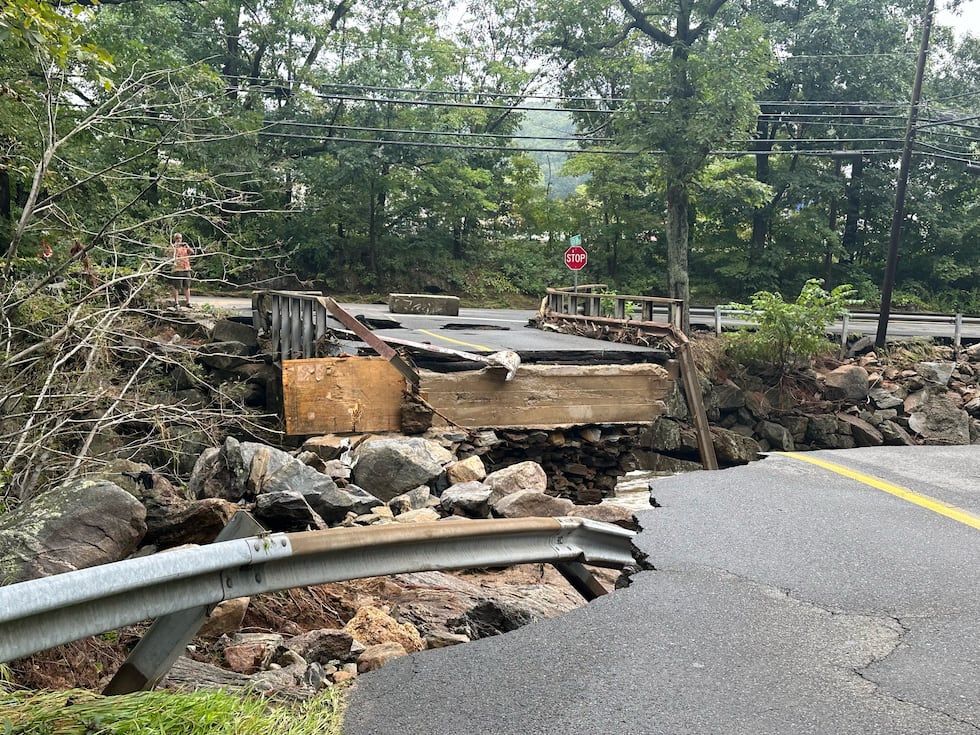
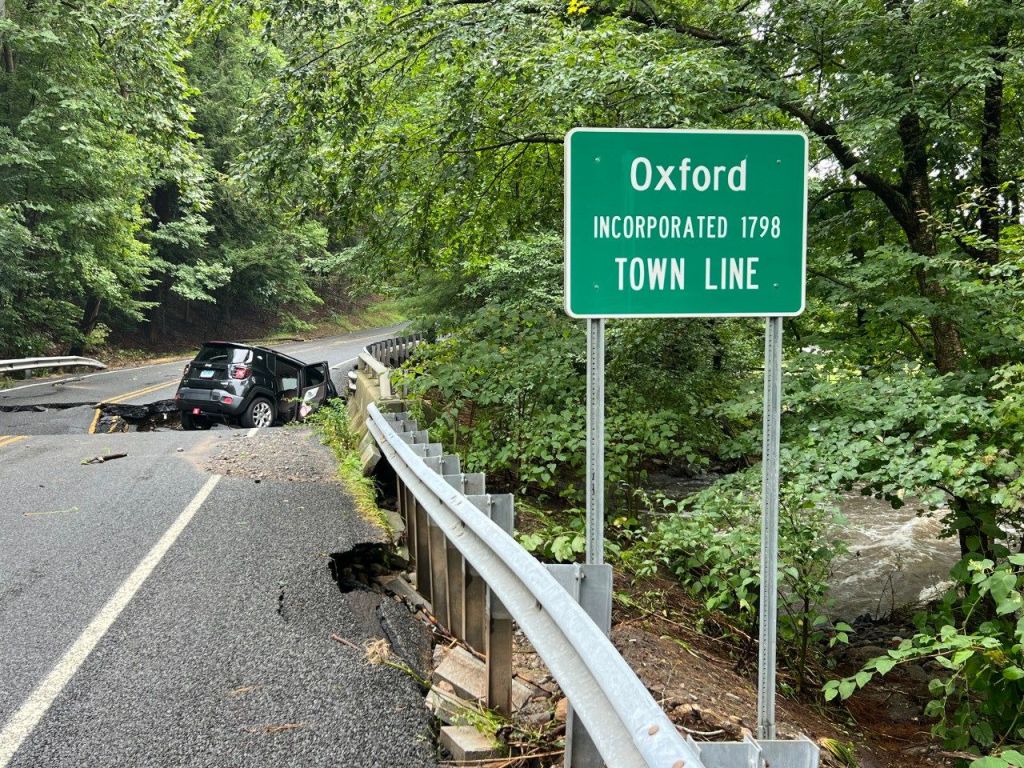
Another hour had passed and we had a lull in the rain, so I decided to survey the immediate area to see what the roads looked like. I went down to the end of the road to see what was going on with the small pond that feeds a little stream across the road. I found it completely washed over the road. I went to check out the road in the other direction where the bridge for 7 Mile Brook is. The normally gentle waterfall was now a raging rapid that had also overtaken the road. I traveled out the back way of development to find that the entrance to the main road was also completely underwater. At this point I was really glad I didn’t leave the house as I would not have been able to get back through the high flood waters. I also realized that I was pretty much stuck in my development with no safe means of egress. The rain started to pick up again and headed back to my home with the “this is an emergency mindset.” I informed my family of what I found and started rounding up assorted emergency supplies, such as back-up power flashlights, first aid supplies. I took stock of our food supplies, and pulled out the buckets of freeze dried food just in case. We were indoors for the long haul and we just needed to wait out the storm.

Throughout the few hours, our phones repeatedly blasted emergency alert warnings about heavy rains and flash flooding. I knew this was bad, but I had no idea how bad until my daughter started showing me pictures her friends who lived in different parts of town were sending her. The first picture she showed me was of Southbury Plaza in the neighboring town about 5 miles from my home. The plaza was underwater, cars were completely submerged with people standing on the roof of their cars awaiting rescue. This area sits about 500 feet below us elevation wise and is essentially the “base of the mountain” that I live on. It made sense that the water ran down the hill and caused the flooding. The next batch of pictures were more surprising and came from areas closer to home. The roads along the main commercial area in Oxford were underwater. Little River was not so little anymore and had washed up through the buildings and onto the road. Over the next few hours, we saw videos of peoples homes and businesses filling with water and some buildings being completely washed away. Evacuations in areas of the town closest to rivers were well underway. Numerous rescue operations were happening, helping stranded drivers off the road while the rising rivers were taking their vehicles. State scientists and environmental protection employees were trapped in a local state park as mudslides took out roads and bridges. Many people were trapped in the town’s main shopping center and had to spend all night there. Most tragically, we saw a report about two women who were washed away by rising river waters who were later found deceased.
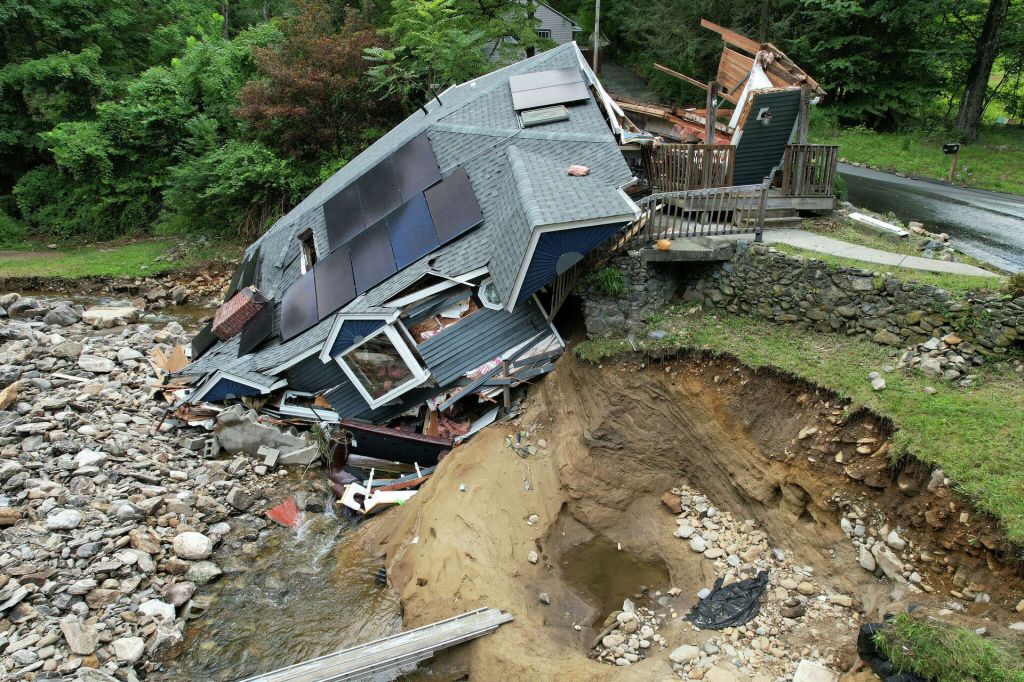
By morning the rain had stopped and the damage done was catastrophic. Beyond the damage to buildings and the tragic loss of life our town’s infrastructure was heavily deteriorated. We lost 8 bridges that cross water ways, well waters were contaminated, downed trees covered roads, and most of the main roads were littered with sinkholes, partially washed away, and lost to mudslides. Drainage pipes were cracked and smashed by the immense amount of water and pressure. Power lines were badly damaged, and many areas were still heavily flooded. The surrounding towns were in a similar state, though Oxford and Southbury seemed to get it the worst. While the life-threatening flooding was over, life was far from back to normal. Many people remained stranded as roads were impassable. So many people had devastating home damage, and many small businesses lost everything they had worked so hard for. Over the next few days, emergency workers struggled to evaluate road conditions and open as many roads as possible. As the roads opened up, people were able to make their way back to their homes, many wondering if they even had a livable home to return to. Now over a week later travel is still very difficult, drives that normally took 10 or 15 minutes now take an hour. Town roads are still heavily damaged and are not considered safe for large vehicles. While there is still much evaluation to do, the estimate is that it will take a minimum of one year to repair all the roads and river crossings.
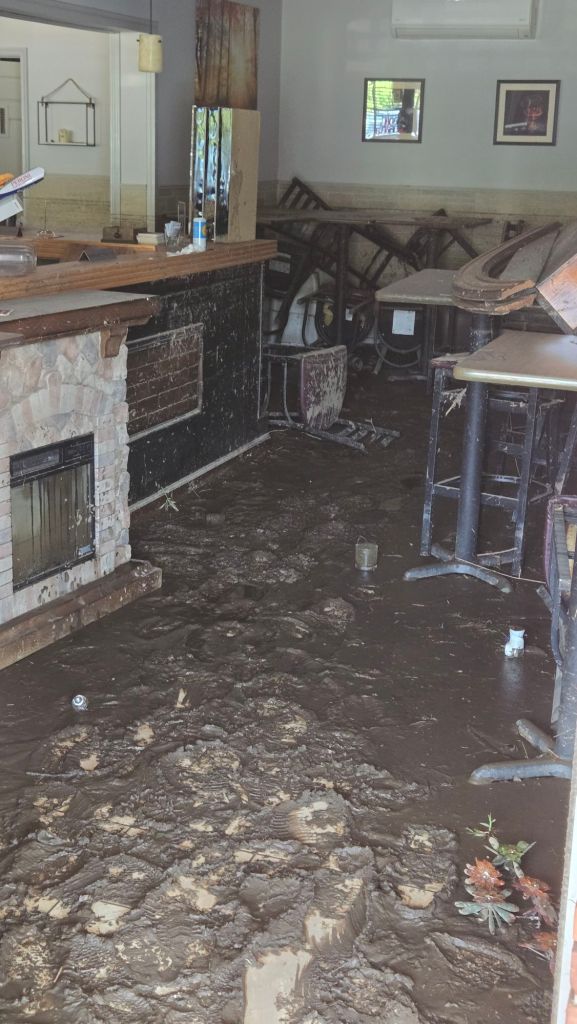
I am grateful that my family is safe and my home is secure. Even so, events like this are tragic in so many ways. The loss of life being the worst, but also the loss of property, historic buildings, woodland trails, and a long term disruption to people’s everyday lives. There are so many lessons to be learned when we look at this event and those similar to it. While we do not have the power to control the weather, we can all position ourselves to be safer and more secure during these events.
Pay Attention to the Emergency Alerts: The emergency alert system exists for a reason and is there to help keep us safe. While I made the wise decision to heed the warnings that were coming through, many people did not. The tragic loss of life and the numerous people being stranded away from their homes would not have occurred if more people had followed the instructions. Not only does ignoring these alerts put your life at risk, it also diverts attention from first responders who can spend their time assisting in evacuations or helping to secure as much infrastructure as possible, while also helping to keep themselves out of potentially life threatening situations.
Keep a Well Stocked Pantry: Keeping your home well stocked with shelf stable foods is important. While the storm was short-lived, access to the grocery stores was extremely limited for days after the event and remains challenging going forward as repairs take place. Having reliable shelf stable food will allow you to stay in your home safely longer and will keep you fed even if the power is out.
Back up Lights and Power: Keeping back up power options and emergency lighting is vital and should be easily accessible in an emergency event. Many people, especially in urban areas, underestimate how dark it can be when large areas lose power at night. Having flashlights and other backup light sources will allow you to safely navigate and will be vital in an evacuation situation where there is no power. Backup power sources such as solar generators and battery packs can keep your phones and other small devices running for days while you await the return of utility services.
Water Filtration: While we normally rely on our infrastructure to provide safe drinking water, events like this flood can lead to contaminated water. Having the ability to filter your own water can keep you and your family healthy during an emergency. Manual filtration systems may be slower than more advanced electronic systems, but they do not require any power, and as long as they are well maintained, they can provide clean, safe drinking water for a long while. It is important to know the effectiveness of your filtration systems as most common commercial water filters are only rated for taste and will not effectively filter out most chemical or environmental contaminants.
Have a Go Bag: In the event of an evacuation, you may not have time to secure all the things you may need. Having a Go Bag packed with essential clothing, documentation, medication, and tools ready to go will not only help you stay safe, it will also make the coming days easier as you make your way back to your home or are put in a position where you will be away from home for an extended time. By keeping essentials such as a flashlight, power bank, water filter, small manual tools that you know how to use, first aid, and something to help protect you from the elements if stuck outdoors will help keep you alive. Having comfort items such as clean clothes, toiletries, and a deck of cards can help keep morale up if you are away from home for extended time periods.
Don’t Panic: When we panic, we make bad decisions. This is often seen in flood situations as many drivers will attempt to cross flood waters that their vehicle can’t handle. The car will stall out when the water sensors are tripped and drivers will find themselves stuck in the water. In the case of flash flooding, the waters can easily wash away cars and people as we have seen in this event. Keeping calm and rational is the best way to keep yourself safe. Carefully access the situation and make decisions that will keep you and your family safe. No piece of property is worth your life, and even those who are the most prepared can make foolish decisions if we panic.
Have a Plan: Putting together an emergency plan for your family is essential. Having communication guidelines, predetermined meeting places, plans, or egress, and ensuring all members of your family have the bare minimum of skills needed to navigate various emergencies will greatly reduce panic and potentially fatal decisions. While it is impossible to account for every possible scenario, having a plan and proper skills will greatly influence your group’s confidence and morale and help them think critically when needed.
Know Your Capabilities: While proper equipment and planning is essential, none of this matters if you are not capable of following your plan or using your equipment. Practice with your gear and develop your skill set. Ensure you have basic skills such as first aid, fire starting, water purification, and shelter building. Understand the limits of both your physical and mental capabilities, especially if you have a physical disability or are medication dependent. Keeping your body in reasonable health and physical fitness can go a long way to ensure you can keep yourself and your loved ones safe. On the other end of things, beware of overconfidence leads to risky behavior. Even the strongest swimmer can drown in a flash flood. Beyond the fast-moving water, there is also debris in that water that can injure you and lead to a quick demise.
Be Ready for the Aftermath: During an emergency event and maybe even a few days after your body may be running on adrenaline from being in a constant state of high alert and experiencing fight or flight reactions. As time goes on, physical and mental exhaustion will kick in. Rest when you can, and do your absolute best to keep your body hydrated and well nourished. Look to your family and community for support, as that simple human connection can help keep us level-headed and reduce the impact of stress and anxiety. Be prepared for long-term disruptions in your day to day life. It may be a long while before things return to normal, and this disruption can take its toll on our mental state. Be mindful of yourself and those around you, be patient with others, and avoid negative thinking. Situations like this impact your whole community, and everyone is suffering. Keeping a positive mindset will not just help you but also those around you.
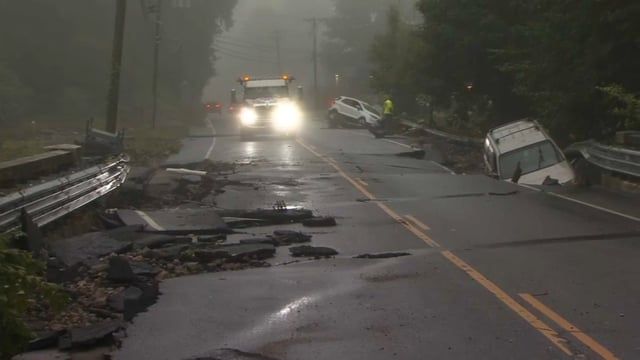
Events like this can be unpredictable. In the case of the storm we experienced, no one knew how bad it was going to be until we were in it. While it is easy to become complacent and rely on others to keep us safe, the destructive nature of this storm taxed our towns first responders well beyond their capabilities. Emergency vehicles must still utilize roads to get to us, and if there are no roads getting to us, it is impossible. Your personal safety and the safety of your loved ones are your responsibility, and by implementing the steps above, you can help ensure that you and your family can stay safe during a horrific natural disaster. While we personally can not prevent damage to buildings, roads, and property, we can protect our most important assets, our lives, and the lives of our loved ones!
Discover more from Black Flag Survival
Subscribe to get the latest posts sent to your email.

 Black Flag Survival