
Written By Nick Italiano
Foraging has been a part of my life for quite some time now, it is something that really interests me and also helps me create connections to the natural world around me. The ability to identify wild edible plants is a valuable wilderness survival skill which can help to keep your body and mind healthy in an emergency situation. Beyond just the value for survival, foraging can allow you to bring free nutrient rich food to your family table. On the surface foraging is rooted in ancient traditions passed down through many generations, but in a modern sense it also teaches a basic understanding of biology, ecology, and nutrition. By combining ancient traditions with a modern understanding of science, foraging allows us to develop a better connection to our natural environment and a deeper understanding of our own body.
My journey in foraging has been an interesting one that probably doesn’t go the way many people think. When many people think of professional foragers, I imagine they believe that most people involved in foraging grew up learning from their parents and community in some small mountain town that no one has ever heard of. While I’m sure there are many foragers that have that origin story, mine is quite different.
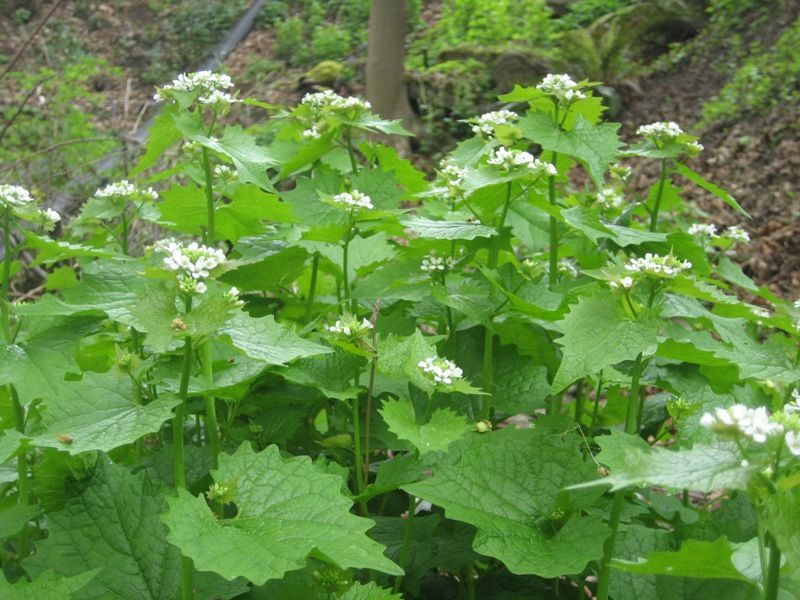
My foraging tale started when I was doing my undergraduate degree in Environmental Science and Ecology. The focus of my studies was the wetland and maritime forest ecosystems of Long Island, New York. I spent many hours and days in the field learning to identify different plants in wetland and maritime forest environments. I learned about their roles within the ecosystems and how they provided both food and shelter for hundreds of other organisms that relied on them. I studied invasive plant species and developed an understanding of how they damaged these fragile ecosystems by out competing the native plant species. One of the invasives that was of particular concern was Alliaria Petiolata, commonly referred to as Garlic Mustard. This plant loves shaded areas and moist soil, so it is common to find them growing in damp forest and wetland ecosystems. The garlic mustard plant is allelopathic, meaning it releases chemicals that inhibit the growth of other plants around it. For obvious reasons, this is not good for native plant growth. As part of my research on this plant, I was tasked with determining how a plant that is native to parts of Europe and Asia came to the United States. As it turns out, this was a plant that was brought to the U.S. by European settlers for both food and medicinal purposes. At the time, this was just a footnote in one of the many research projects I was working on, but years later, it became the basis of my deep dive into foraging.
After I had finished my Masters and post graduate work, I remained in the financial industry as the starting pay for most jobs in environmental science and ecology were well below what I was currently making and I had a family to feed. Despite that, I still held a great passion for ecology and turned that into doing some volunteer work with the National Parks Service, as well as doing citizen science projects where I could find time. In addition, I was actively working to develop Black Flag Survival, so I spent a great deal of time outdoors. Sometime during this time period, I encountered some garlic mustard and remembered it was used as food for the early settlers and wondered what it tasted like. I harvested some plants after making sure I was 100% positive that it was actually Garlic Mustard, brought it home, chopped it up, did a quick sauté, and ate it. The leaves were a bit bitter, and the root had a horse radish like flavor, I was actually pretty impressed with how good it tasted for an aggressive nuisance plant.
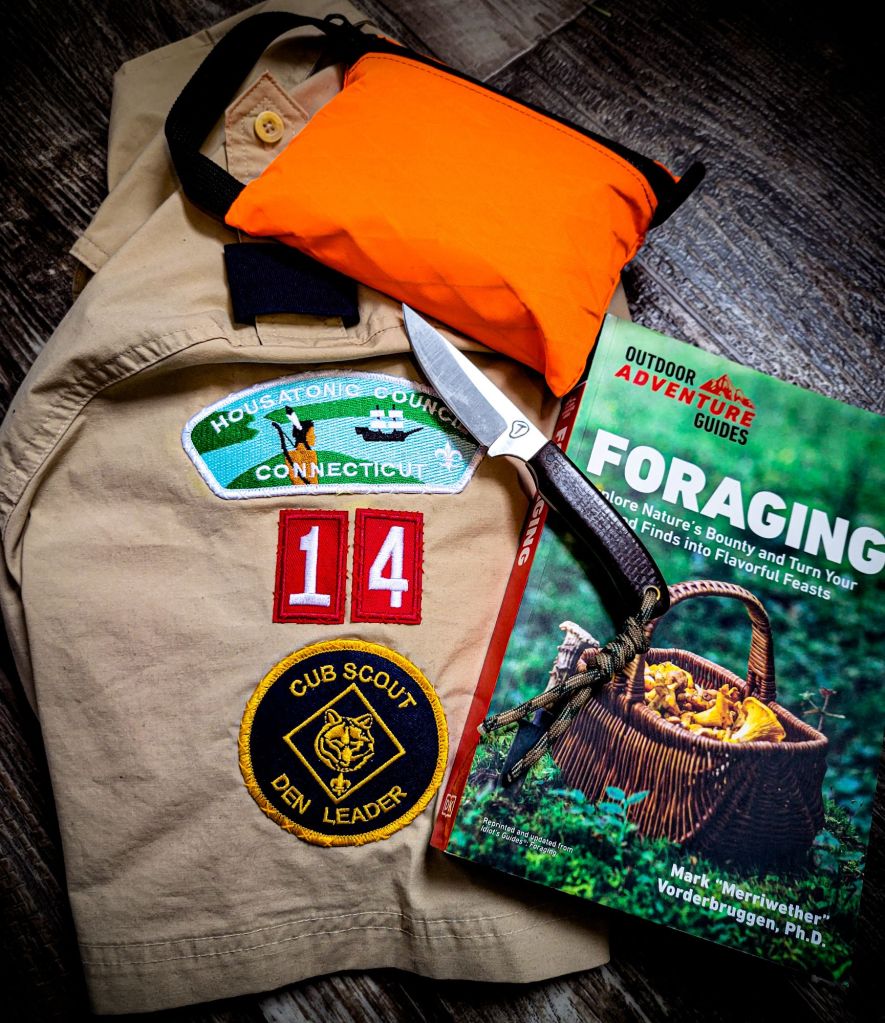
This experience really lit my mind on fire! I wanted to learn more about the wild edible plants we had all around us. Doing what any good student of the sciences would do, I began doing research. I learned about the common edible plants in my area, I learned how to identify them, I learned what environments they grew in, which ones were native and which ones were invasive. I spent two years just exploring and identifying these plants, taking notes as to their features and locations, what plants grew around them, and which plants were also consumed by local insects and animals. After two years, I felt I had the confidence to start harvesting and eating these plants. As time went on, my interest in wild edible plants grew to new levels, and I began studying the potential wellness values that many of these plants have to offer. I took courses on a practice called Herbalism, which goes into detail on how plants can help us maintain our health, heal our wounds, and provide support for a variety of ailments. I learned about how traditional cultures used these plants and studied the modern science that supported many of the uses of plants that lie in the ancestral traditions of people around the world. I read books and chatted with some of the prominent people in the foraging and herbalism communities. Most importantly, I continued to practice my skills and increase my understanding, using every trip out of my house as an opportunity to develop a greater understanding of what foraging a herbalism is.
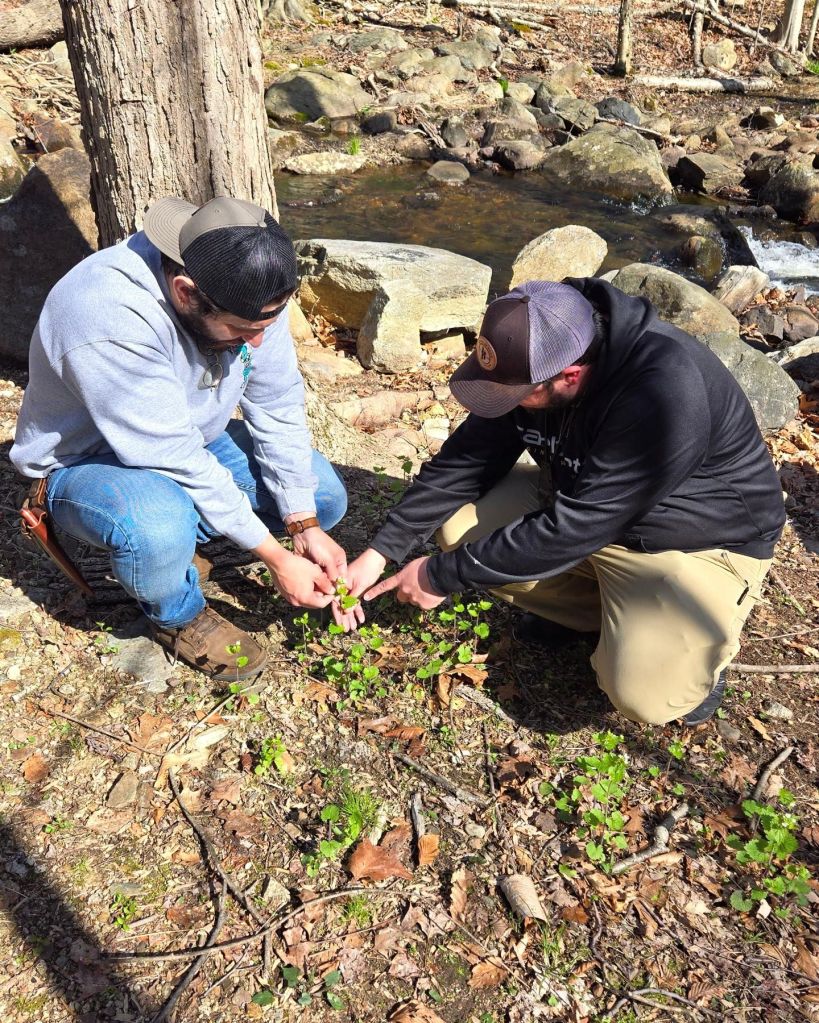
I shared this information with my wife and children, often quizzing them on what edible, medicinal, and toxic plants they were able to identify during our hikes through the woods or walking around town. I started including articles on some common edible plants on the website as well as incorporated some lessons into the Black Flag Outdoor Academy. When I would take my scouts out for hikes I began teaching them and their parents about edible wild plants and found that there was a strong desire from both the kids and the parents to learn more.
Recently, I was speaking with my friend Patrick Diedrich of Vargold Training, and we decided it would be a cool idea to develop some courses around foraging. So that is where I am at today; my head has been buzzing with ideas around an introduction to foraging that would include the basics of foraging safety, the equipment needed, and some of the most common wild edible plants that are available in both urban and rural environments. I am happy to say that, as of the time of writing this article, the groundwork for this introductory course is well underway! While I have always been happy to share what I know and do small lessons here on my own website, I am excited about the prospect of developing a full length video based course that will truly help people begin their journey in foraging.
Keep your eyes peeled here on the website, on my Instagram page, and on the Vargold Website for updates and announcements on the course!
Discover more from Black Flag Survival
Subscribe to get the latest posts sent to your email.

 Black Flag Survival